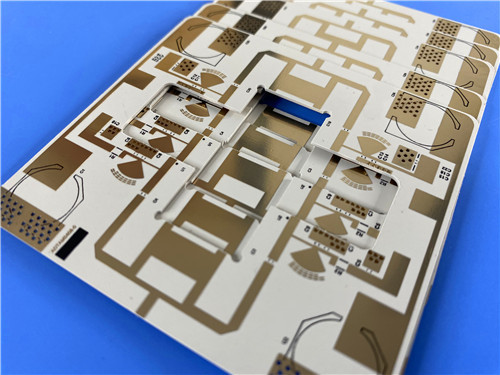
맞춤형 PCB 사례 연구: 소형 안테나 및 항공우주 응용 분야를 위한 고유전율(High-Dk) TP440
안녕하세요, 샐리입니다. 오늘은 까다로운 항공우주 및 소형 안테나 응용 분야를 위해 독특한 고주파 열가소성 소재인 Wangling TP440—을 사용한 흥미로운 맞춤형 PCB를 소개해 드립니다.
이 맞춤형 PCB는 Wangling TP440을 사용하며, 이는 세라믹이 충전된 PPO(폴리페닐렌 옥사이드) 열가소성 수지로서 4.4의 유전율을 갖습니다. 기존 PTFE 소재와 달리 TP440은 유리섬유 보강재가 포함되어 있지 않아 탁월한 치수 안정성과 정밀한 유전율(Dk) 제어를 제공합니다. 이는 내방사선성과 낮은 아웃가스가 요구되는 GPS 안테나, 미사일 탑재 시스템, 신관 및 기타 항공우주 응용 분야에 이상적입니다.
주요 요약
- 소재: Wangling TP440 세라믹 충전 PPO 열가소성 수지 (Dk 4.4)
- 주요 장점: 유리섬유 보강재 없음, 정밀한 Dk 제어, 내방사선성
- 보드 크기: 45.63mm x 97.01mm
- 구조: 양면 솔더 마스크 없음(양면), 상단에만 블랙 실크스크린
- 특이점: 설계상 단 1개의 네트만 존재—고도로 특화된 단일 회로 애플리케이션
- 품질: IPC-Class-2 규격, 100% 전기적 테스트 완료
고객은 GPS 안테나, 신관 또는 미사일 탑재 시스템과 같은 미션 크리티컬 항공우주 응용 분야를 위한 고주파 PCB를 필요로 했습니다. 요구 사항은 매우 까다로웠습니다: 내방사선성, 낮은 아웃가스, 극한의 온도 조건에서도 안정적인 전기적 성능, 컴팩트한 폼 팩터였습니다. 유리섬유 보강재가 포함된 기존 PTFE 소재로는 요구되는 치수 안정성과 내방사선성을 만족할 수 없었습니다.
유리섬유 보강재 없음
기존 PTFE 라미네이트와 달리 TP440은 유리섬유 직포(Glass fiber cloth)를 사용하지 않습니다. 유전체 층은 오직 세라믹과 PPO 수지로만 구성되어 있습니다. 이를 통해 유전율의 미세한 편차를 유발할 수 있는 "유리섬유 효과(Fiberglass effect)"를 제거하여 탁월한 신호 일관성을 보장합니다.
정밀한 유전율 (Dk = 4.4)
TP 시리즈는 세라믹 대 수지 비율을 조절하여 Dk 값을 3에서 25까지 정밀하게 조정할 수 있습니다. 이 설계에서 Dk 4.4는 소형화와 신호 무결성 간의 최적의 균형을 제공합니다.
내방사선성 및 낮은 아웃가스
이러한 특성은 우주 및 항공우주 응용 분야에서 매우 중요합니다. 이 소재는 높은 방사선 환경에서도 전기적 성능을 유지하며, 아웃가스 방출을 최소화하여 민감한 광학 장비나 전자 부품의 오염을 방지합니다.
우수한 온도 안정성
이 소재는 -100°C에서 +150°C까지 안정적으로 작동하며, 전체 작동 온도 범위에서 전기적 성능 편차가 극히 적습니다.
가공성
진공 코팅이 필요하고 가공이 까다로운 세라믹 기판과 달리, TP440은 드릴링, 밀링, 시어링, 에칭 등 표준 PCB 제조 기술을 사용하여 가공할 수 있습니다.
보드 사양
| 항목 |
사양 |
| 치수 |
45.63mm x 97.01mm (±0.15mm) |
| 레이어 수 |
양면 |
| 적층 구조(스택업) |
35μm Cu / 1.5mm TP440 / 35μm Cu |
| 완성 두께 |
1.6mm |
| 트레이스/스페이스 |
5/8 mils |
| 최소 홀 크기 |
0.3mm |
| 표면 마감 |
이머전 골드 (ENIG) |
| 솔더 마스크 |
없음 (양면 모두) |
| 실크스크린 |
블랙 (상단만) |
| 테스트 |
100% 전기적 테스트 |
| 표준 규격 |
IPC-Class-2 |
설계 통계
| 항목 |
값 |
| 부품 수 |
24 |
| 총 패드 수 |
19 |
| 스루홀 패드 |
11 |
| 상단 SMT 패드 |
8 |
| 비아 수 |
28 |
| 네트 수 |
1 |
여기서 단일 네트(Single-net) 설계가 가장 두드러지는 통계 수치입니다. 1개 네트 회로는 매우 특화된 형태로, 일반적으로 전송선로, 안테나 피드 또는 단순한 수동 네트워크와 같은 단일 전도 경로를 나타냅니다. 이는 해당 애플리케이션이 고도로 특화된 RF 부품일 가능성이 높음을 확인해 줍니다.
설계 특징: 항공우주 용도 맞춤 설계
솔더 마스크 없음 (양면)
솔더 마스크를 적용하지 않음으로써 마스크 재료로 인한 잠재적인 유전 손실이나 아웃가스 발생 요인을 제거했습니다. 이는 모든 변수를 통제해야 하는 항공우주 응용 분야에서 매우 중요합니다.
블랙 실크스크린 (상단만)
블랙 실크스크린은 전문적인 외관을 유지하면서 부품 식별을 위한 뛰어난 대비(시인성)를 제공합니다.
이머전 골드 표면 마감
우수한 내식성과 와이어 본딩 기능을 갖춘 평탄하고 납땜 가능한 표면을 제공합니다.
1.6mm 완성 두께
두꺼운 보드는 진동 및 충격 저항이 중요한 항공우주 애플리케이션에 기계적 견고성을 제공합니다.
비교: TP440의 경쟁력 비교
| 특성 |
TP440 |
표준 PTFE |
세라믹 기판 |
| Dk (유전율) |
4.4 (맞춤 조절 가능) |
2.2–10 |
다양함 |
| 유리섬유 |
없음 |
보통 있음 |
없음 |
| 내방사선성 |
매우 우수 |
보통 |
매우 우수 |
| 아웃가스 |
낮음 |
낮음 |
매우 낮음 |
| 가공성 |
매우 우수 |
양호 |
불량 |
| 최대 작동 온도 |
150°C |
150–260°C |
>300°C |
이것이 중요한 이유: TP440은 세라믹 기판 수준의 내방사선성 및 낮은 아웃가스 특성과 함께 PTFE 수준의 가공성을 제공합니다. 유리섬유가 없는 구조 덕분에 뛰어난 Dk 균일성을 보장합니다.
이상적인 응용 분야
- 우주 환경에서 안정적인 성능이 요구되는 GPS 안테나
- 충격 및 내방사선성이 요구되는 미사일 탑재 시스템
- 소형이면서 신뢰할 수 있는 RF 회로가 필요한 신관(Fuze)
- 항공우주 및 방위산업용 소형 안테나
- 베이더우(Beidou) 위성 항법 시스템
Q: TP440은 PTFE 소재와 무엇이 다른가요?
A: TP440은 유리섬유 보강재를 사용하지 않으며, 유전체는 전적으로 세라믹과 PPO 수지로만 구성됩니다. 이를 통해 유리섬유 직조 패턴으로 인한 Dk 편차를 없애고 우수한 치수 안정성을 제공합니다.
Q: 왜 이 설계에는 네트가 1개뿐인가요?
A: 1-네트 설계는 안테나 급전선, 단순 전송선로 또는 수동 RF 네트워크와 같은 단일 전도 경로를 나타냅니다. 이는 고도로 특화된 RF 부품의 전형적인 특징입니다.
Q: "내방사선성"이란 무엇을 의미하나요?
A: 우주 또는 원자력 환경과 같이 방사선에 노출되었을 때에도 소재가 전기적 및 기계적 특성을 유지함을 의미합니다. 이는 항공우주 응용 분야에서 매우 중요합니다.
Q: 세라믹 기판 대신 TP440을 사용하는 이유는 무엇인가요?
A: TP440은 유사한 전기적 및 내방사선 특성을 제공하면서도 표준 PCB 제조 방식을 사용하여 가공 및 처리가 훨씬 쉽습니다. 세라믹 기판은 레이저 드릴링 및 진공 코팅과 같은 특수 공정이 필요합니다.
Q: 1개 네트 설계에서 28개의 비아가 갖는 의미는 무엇인가요?
A: 많은 비아 수는 광범위한 접지 구조를 의미할 가능성이 높으며, 단일 신호 경로를 위한 명확한 접지면 또는 차폐(Shielding)를 형성합니다.
Q: 이 소재는 우주 응용 분야에 적합한가요?
A: 네, 그렇습니다. 낮은 아웃가스와 내방사선성 덕분에 TP440은 우주 및 항공우주 환경을 위한 탁월한 선택입니다.
마무리
유리섬유 없는 구조, 정밀한 Dk 제어, 내방사선성 및 뛰어난 가공성 등 Wangling TP440의 독특한 특성 조합은 까다로운 항공우주 및 방위산업 응용 분야에 뛰어난 선택이 됩니다. GPS 안테나, 미사일 탑재 시스템 또는 소형 RF 모듈을 설계하든, 이 소재는 귀하가 필요로 하는 신뢰성과 성능을 제공합니다.
구상 중인 항공우주 또는 안테나 프로젝트가 있으신가요? 언제든 편하게 문의해 주세요.
— 샐리


 귀하의 메시지는 20-3,000 자 사이 여야합니다!